



How to Write a Journal for Personal Growth: Effective Strategies Using a Quality Pen?
Journaling is not just about writing what you feel in a diary; it is a process of personal reflection, staying emotionally grounded with mindful expression of one's thoughts. Be it moments of the day, making any important decision, or sorting some emotional mess, journaling in a diary with superior quality pens that lets you smoothly write with no disruptions helps make it an immersive experience. So read on, if you are wondering how to write a journal.
Why Journaling Matters for Personal Growth
Journaling helps one express what they feel, channelize their emotions, reflect once they read what is written, and pour out anything that’s holding them back, making one feel lighter and empowered having conquered their thoughts and emotions.
To answer how do I write a journal, adding a few minutes of intentional writing each day builds emotional clarity, reduces stress, and helps you reconnect with your inner voice naturally.
Writing a Journal: How to Begin in Easy Steps
Here are a few steps for those thinking how to write a journal?
1. Choose a Pen That Makes You Want to Write
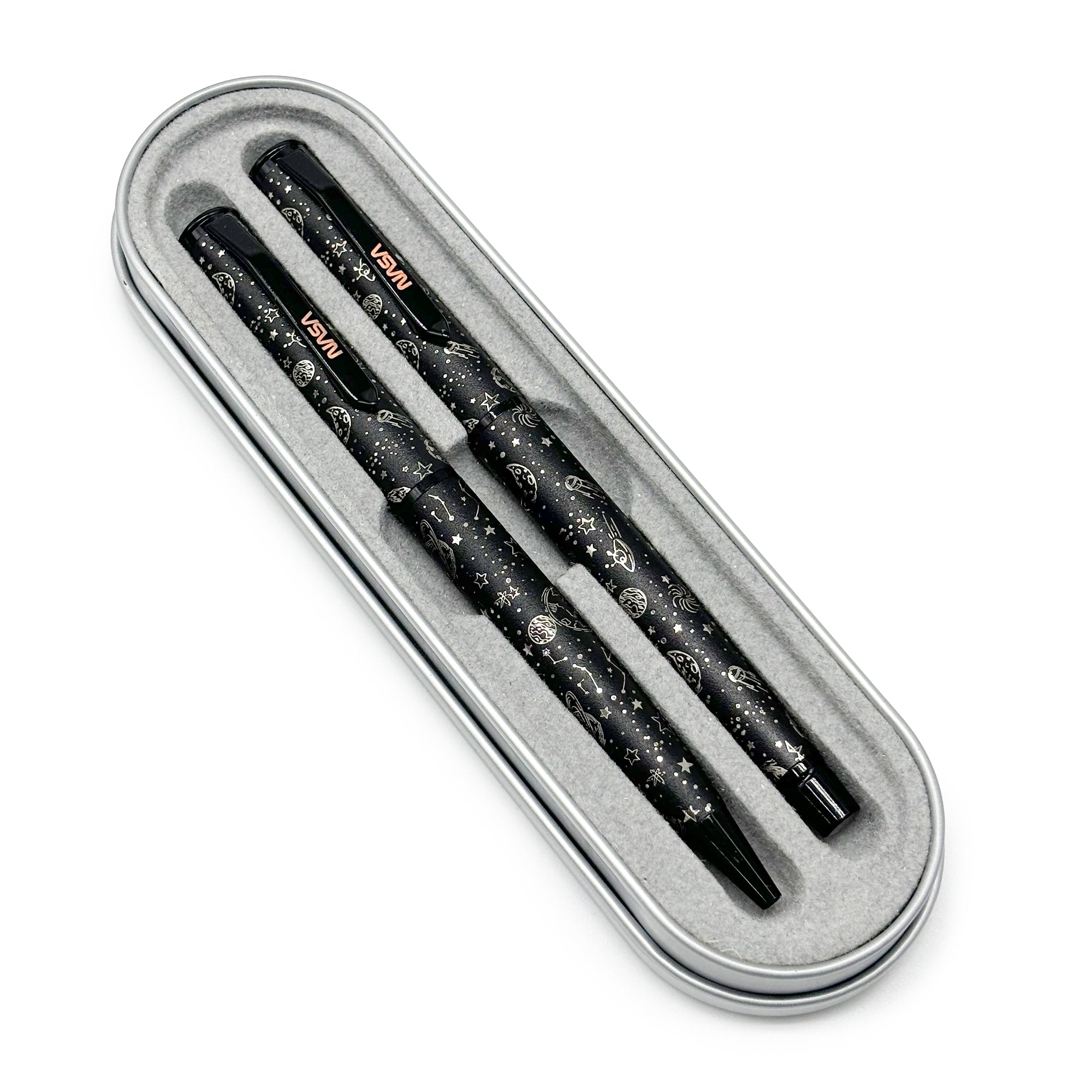
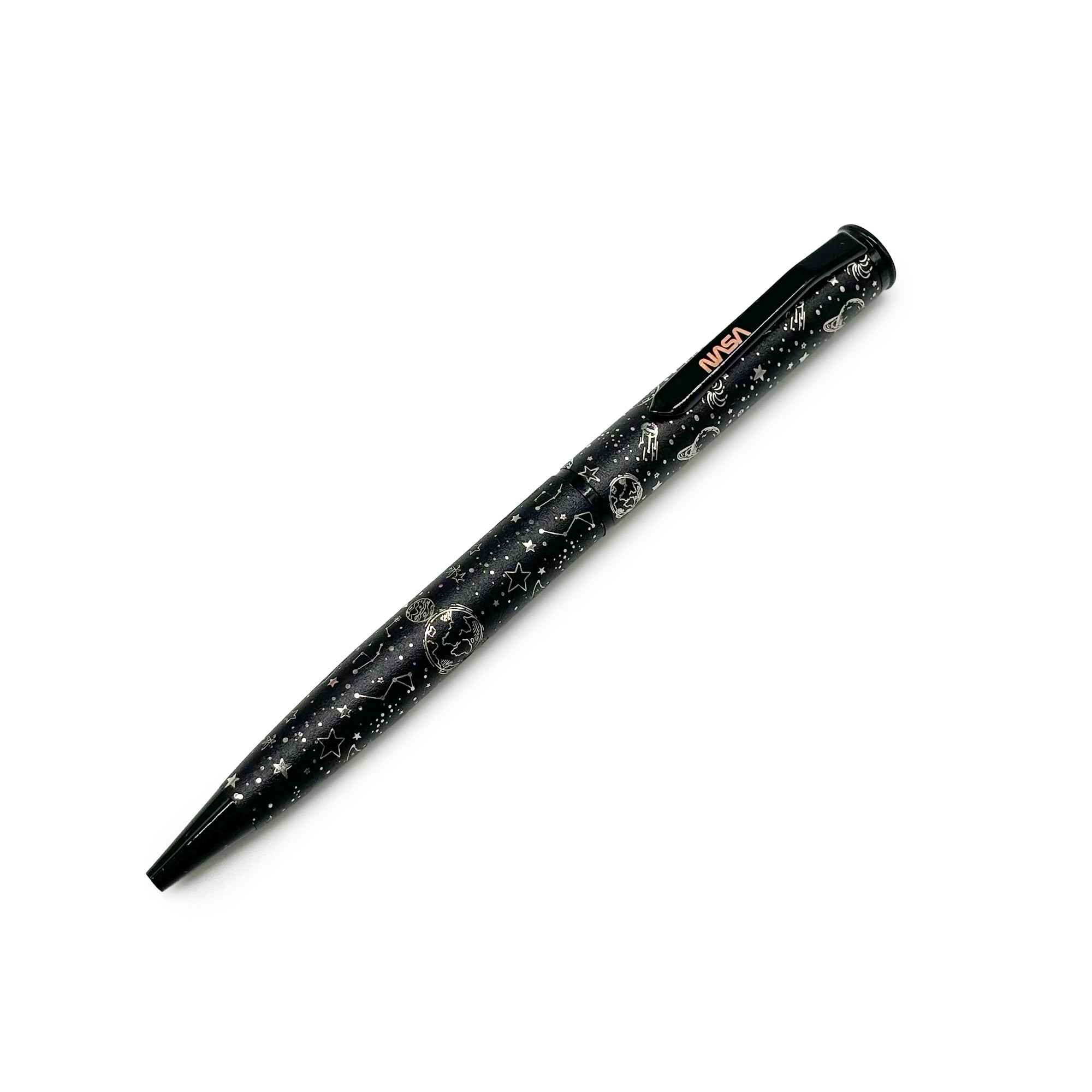
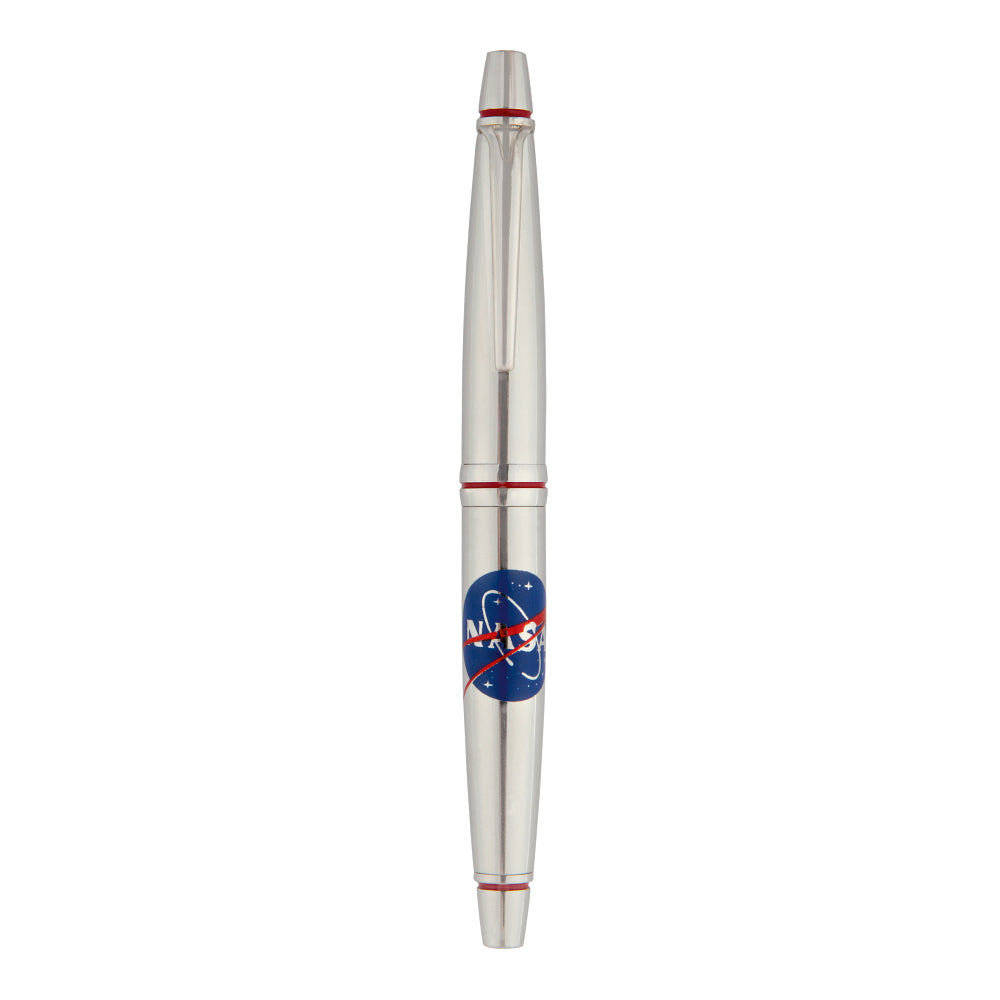
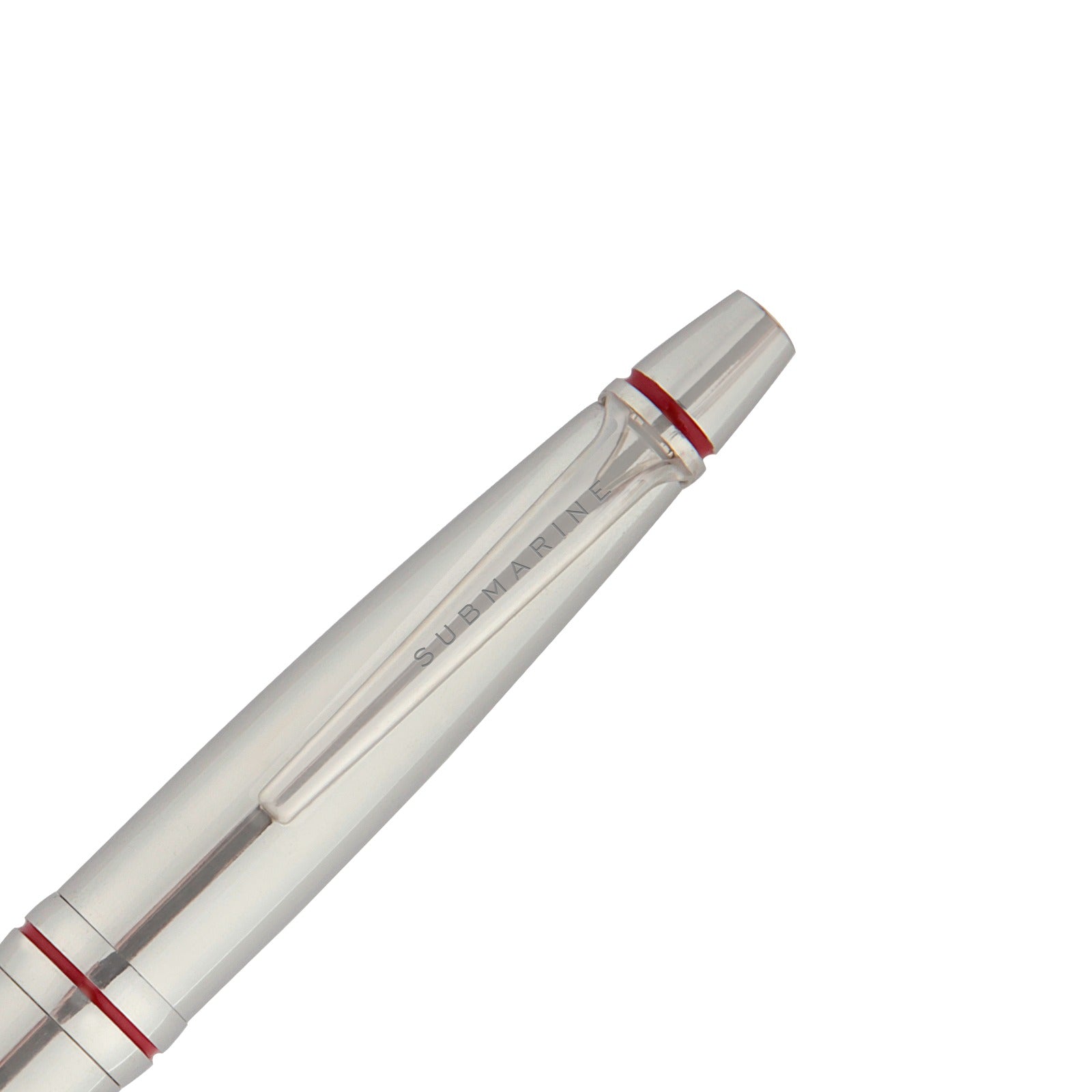
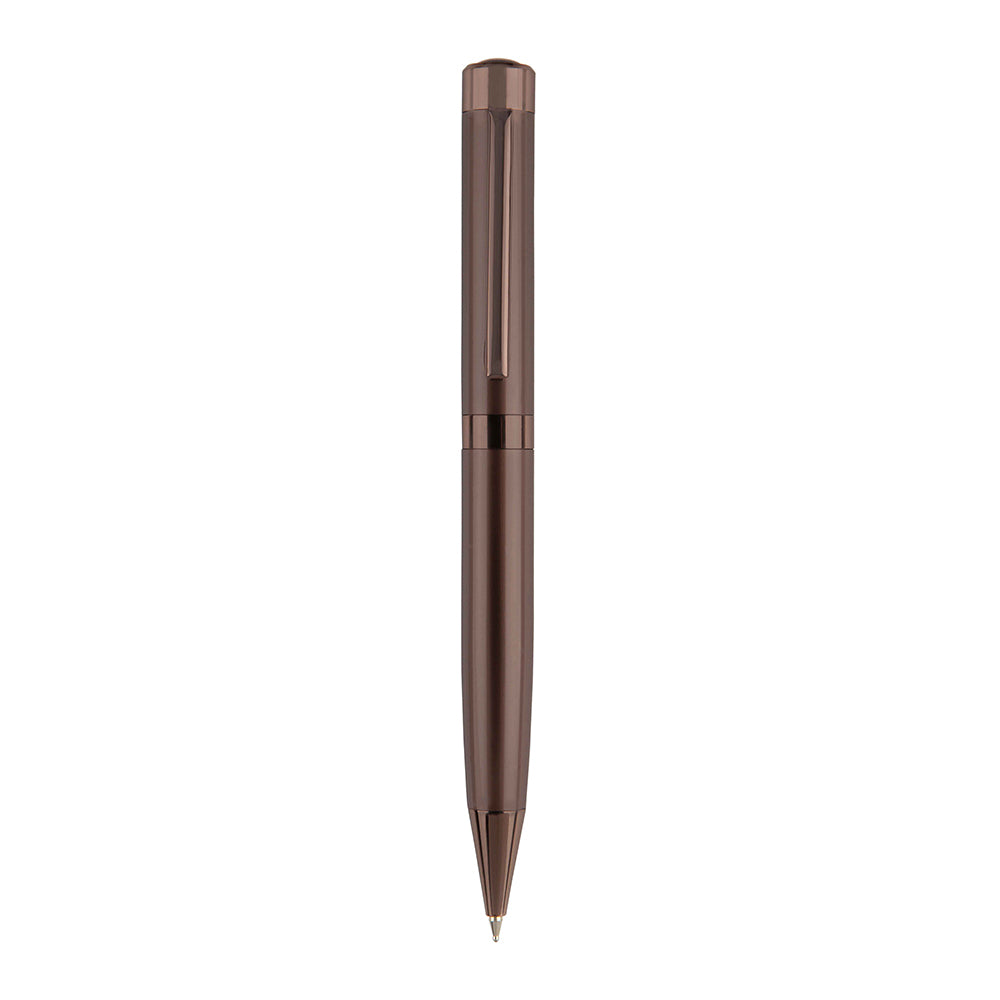
A pen makes a lot of difference when looking for a smooth, elegant writing experience. Whether it’s the finesse of a fountain pen or simplicity and ease of ball pen or the blend of both in a roller pen, the right pen from brands like Submarine Pens can make a lot of difference when wondering how to do journaling.
2. Create a Space That Invites Reflection
choose a quiet place to allow yourself to write with flow. It could be a corner in your room, a desk by the window, or a quiet coffee shop. The perfect solution to how to write journaling is to make it a soothing act rather than a rushed one.
3. Start with Simple Prompts
In reality, all you need is a starting point. Try prompts like:
“What made me smile today?
"What am I afraid of, and why?"
“What small win can I celebrate today?
“What would I like to change about myself?”
4. Let Your Thoughts Flow Naturally
One of the main things learned from how to write a journal, or how to do journaling, is to let go of perfection. Do not worry about grammar, structure, or handwriting. Journaling is not to be judged; journaling is to be honest. Write what you feel without overthinking it-raw and genuine writing allows emotional clarity to emerge.
Types of Journaling You Can Try
Make the practice of journaling more enjoyable. Try different styles, and see which is most in line with you.
1. Gratitude journaling
Three things you are thankful for each day: this simple habit helps cultivate a positive shift in life and reinforces emotional resilience.
2. Reflective Journaling
Every day, think through how the day went by, be it just the activities to how you felt through the day, connecting with yourself as you pen down everything.
3. Journaling with goals in mind
Use your journal to chart progress, identify setbacks, and celebrate milestones.
4. Creative Journaling
Add some doodles. quotes, sketches to make journaling more creative and colourful.
Frequently Asked Questions
1. How do I start writing a journal?
For those wondering, how to write a journal, take a comfortable pen, a quiet space, and simple prompts. You write without fussing about structure or perfection.
2. What type of pen is best for journal writing?
While fountain pens promise elegance, the ball pens assure reliability, and roller pens offer smooth flow, the choice remains yours and which one feels natural in your hand.
3. How often should I write in my journal?
Try to write a bit every day, but even a few times a week can be effective if it is consistent.
4. How do I stay consistent with pen journaling every day?
Create a small ritual, same time, same place, and have your journal and pen in an accessible location.
5. Is writing a journal with a pen better than using a digital app?
Many find pen journaling more personal, soothing, and emotionally expressive because handwriting strengthens connection and presence.
How to Start Writing a Journal for Personal Growth and Reflection with Your Perfect Pen?
How Do You Start Writing a Diary Without Overthinking? Beginner Tips Using a Good Pen
Related Posts

Ball Pen vs Fountain Pen: Key Differences You Should Know

Why a Pen Gift Set Is a Timeless and Thoughtful Gift

How to Choose the Best Beginner Fountain Pen for Everyday Writing and Note-Taking

Troubleshooting Ballpoint Pens: Causes and Fixes to Make Your Pen Write Smoothly Again

Personalized Women's Day Pen Gift Ideas in Office Employees for a Memorable Celebration

International Women’s Day Pen Gift Ideas for Professional Women

Why Women’s Day Pen Gift Hampers Are the Perfect Appreciation Gift
